The return of serve is the second most important shot in recreational tennis — and the most neglected. Everyone practises their serve. Almost nobody practises their return. After 25 years of club tennis, I’ve watched the same pattern repeat: players who work on their return win more matches at the same skill level than players who don’t. Here’s the complete guide.
Why Recreational Players Struggle to Return Serve
Three consistent problems at club level:
1. Too big a backswing. Recreational players take the same full backswing on return that they use for groundstrokes. Against a fast serve, there’s no time. The ball is past you before your racket face arrives. The fix is a unit turn and compact block — not a full swing.
2. Wrong positioning. Most recreational players stand too close to the baseline on return. Against big servers, this gives you almost no reaction time. Against second serves, it hands the server the corner of the court. Positioning changes by server and by situation.
3. No read on the serve. Recreational players look at the ball after it’s served. Better returners read the server’s toss position before the ball is struck. A ball tossed further to the right (for a right-handed server) almost always means a wide serve to the deuce court. Reading toss position gives you half a step — and half a step is the difference between a comfortable return and a panic block.
The Mechanics of a Better Return
Stance and Ready Position
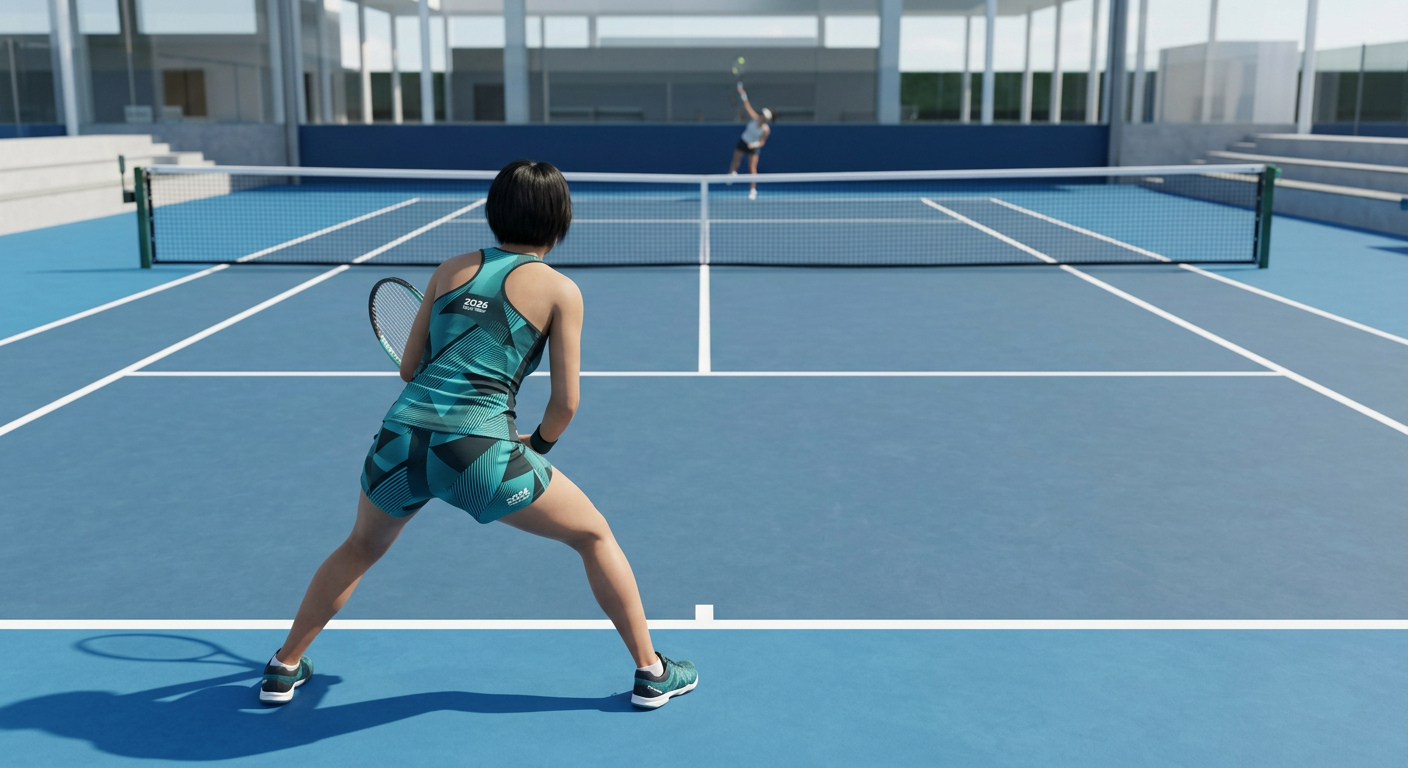
Stand in a split step just as the server begins their trophy position — not when they toss, and not when they strike. Time the split step to the moment of contact. Your feet should land just as the serve is struck, leaving you in an athletic position to push either direction.
For recreational serves (usually 80–120 mph), stand 1–2 feet behind the baseline on first serve. On second serve, step forward — a second serve returner who hangs back is giving the server free topspin approach angles.
The Compact Backswing
The return is not a groundstroke. The backswing is a unit turn — your shoulders rotate, your racket hand comes back to roughly hip level, and your body coils. That’s it. The power on a return comes from shoulder rotation and racket speed through the hitting zone, not from a long back-swing arc.
Think of it as a block return with added hip drive, not a full swing that you stop partway. This is the single most common fix for recreational players who can’t return fast serves.
Contact Point
Contact the ball slightly in front of your lead leg — not beside your hip, and not behind your body. If you’re making contact beside or behind your hip, your backswing was too long or your split step was late. The fix is almost always earlier preparation rather than a faster swing.
Direction: Where to Return
On first serve, the simplest and most effective return target is back to the centre of the court, deep. This minimises the angle the server can exploit on the next shot, keeps you in the rally, and doesn’t require precision under pressure. Save directional returns for second serve.
On second serve, crosscourt deep is the highest percentage target. Going down the line on second serve return is a lower percentage play that recreational players attempt too early in a point.
Reading the Serve: The Toss Position Tell
This takes practice to develop but pays off at every level:
Right-handed server, deuce court:
- Toss at 12 o’clock (straight up) → body serve or flat serve down the T
- Toss at 1 o’clock (slightly right) → wide serve to the ad side
- Toss behind the head → kick serve, will bounce high to your backhand
Right-handed server, ad court:
- Toss at 12 o’clock → serve down the T (to your backhand)
- Toss at 1 o’clock (right) → wide serve to your forehand
These are tendencies, not rules — good servers vary their toss to disguise direction — but at recreational club level, most servers are consistent enough that you can pick up their patterns within the first two games.
🎾 Deliberate Practice for Returns
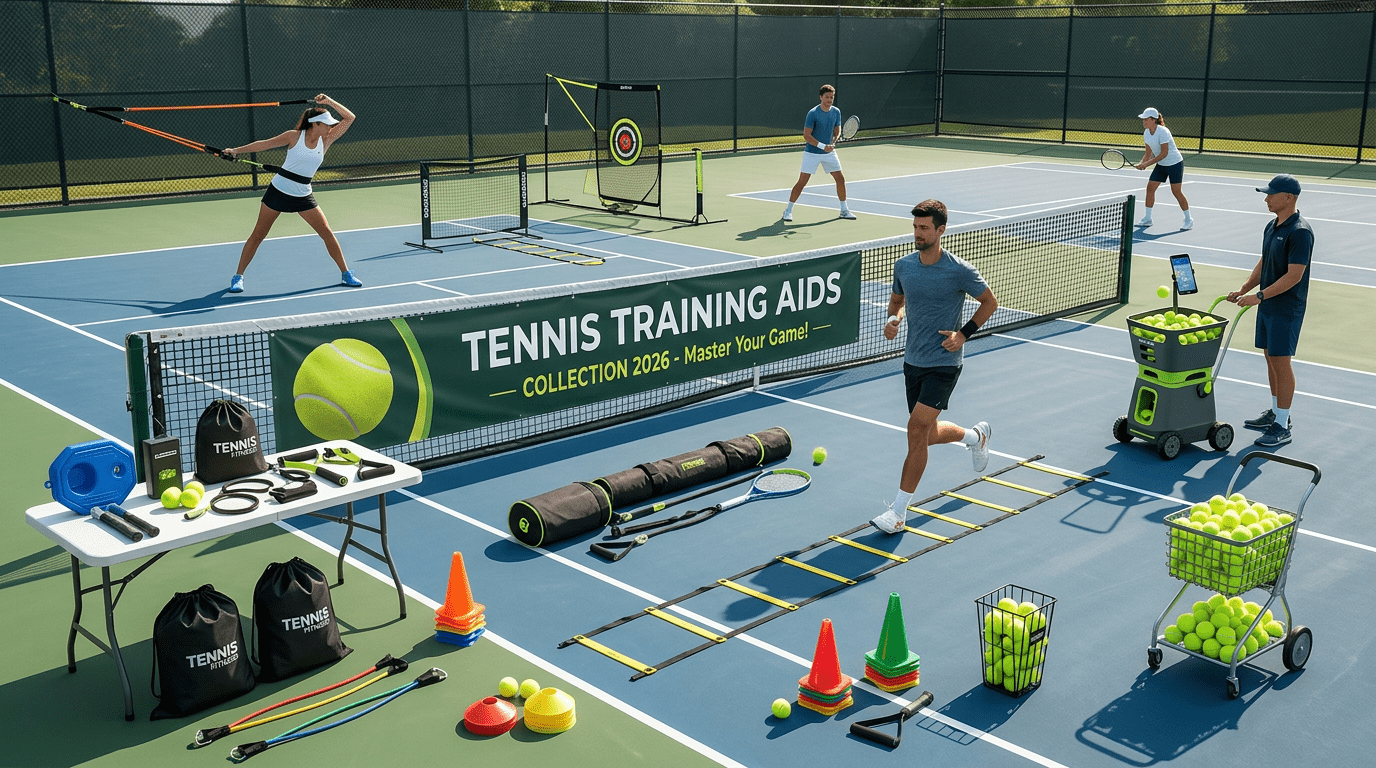
A ball machine is the most efficient tool for return practice — set it to feed at 60–70 mph from service-box distance and practise the compact block return 100 times. See our best tennis ball machines guide for the options best suited to this kind of drilling.
Mental Approach: The Returner’s Mindset
Recreational players put too much pressure on themselves on return. The first serve is the server’s opportunity — a fault-free rally is already a win for the returner. Reframe your return goal:
- First serve return goal: Get the ball back in play, deep, and neutral. This alone beats most recreational servers.
- Second serve return goal: Take control of the point. Attack second serves that sit up. Don’t defend second serves when you’re capable of offence.
The best returners at club level have one thing in common: they’re calm on first serve and aggressive on second. Most recreational players are tense on first serve and passive on second. Flip the script.
Return Practice Without a Partner
Partner-dependent return practice is the reason most players never improve at it. You need a server, a court, and cooperation. Alternatives that work:
- Ball machine at service-box distance: 60–70 mph, no toss variation, but perfect for compact backswing training
- Wall practice: Serve short off the wall and practise the compact return stroke against the rebound — not a perfect simulation but better than nothing
- Video analysis: Record yourself returning serves from behind the court. The backswing issue is almost always visible on video before you can feel it
Related Reading
- How to Improve Your Tennis Serve (30-Day Guide)
- How to Stop Double Faulting Under Pressure
- Best Tennis Ball Machines 2026
- Tennis String Tension Guide
Frequently Asked Questions
How do I return a fast serve in tennis?
Shorten your backswing. Against fast serves (120+ mph), there is no time for a full groundstroke backswing. Use a unit turn — shoulders rotate, racket comes to hip height — then drive through contact with shoulder rotation and leg push. The compact block return is more reliable and more effective than a full swing under time pressure.
Where should I stand to return serve?
For recreational first serves (80–110 mph), stand 1–2 feet behind the baseline. For second serves, move 1–2 feet inside the baseline. Adjust throughout the match — if the server is consistently getting the ball to your backhand hip, step further behind the baseline. If you’re getting to every serve comfortably, move in to take time away from the server.
How do I read where a tennis serve is going?
Watch the server’s ball toss position — it often reveals serve direction before the ball is struck. A toss further right (for a right-hander) typically signals a wide serve. A toss straight up often signals a T serve or body serve. This is a tendency at recreational level, not a certainty — but reading the toss gives you a half-step head start that changes the outcome of the point.
Should I try to attack the return or just get it back?
On first serve, just get it back deep and neutral. On second serve, attack — look for balls that sit up above waist height and drive them aggressively crosscourt. The mistake recreational players make is defending second serves that should be attacked, and attacking first serves they should be blocking back.
The Bottom Line
Return of serve is the shot that separates recreational players who plateau from those who keep improving. You don’t need a faster swing — you need a shorter one, better positioning, and the patience to get the ball back on first serve and attack on second. Start with the compact backswing. Everything else builds from there. 🎾