
The return of serve is the second most important shot in tennis — and the one recreational players practice the least. Here is a structured approach to actually improving it.
📊 Why it matters
According to ATP match statistics, breaking serve is the single strongest predictor of winning a set at every level. You cannot break serve without consistently returning it.
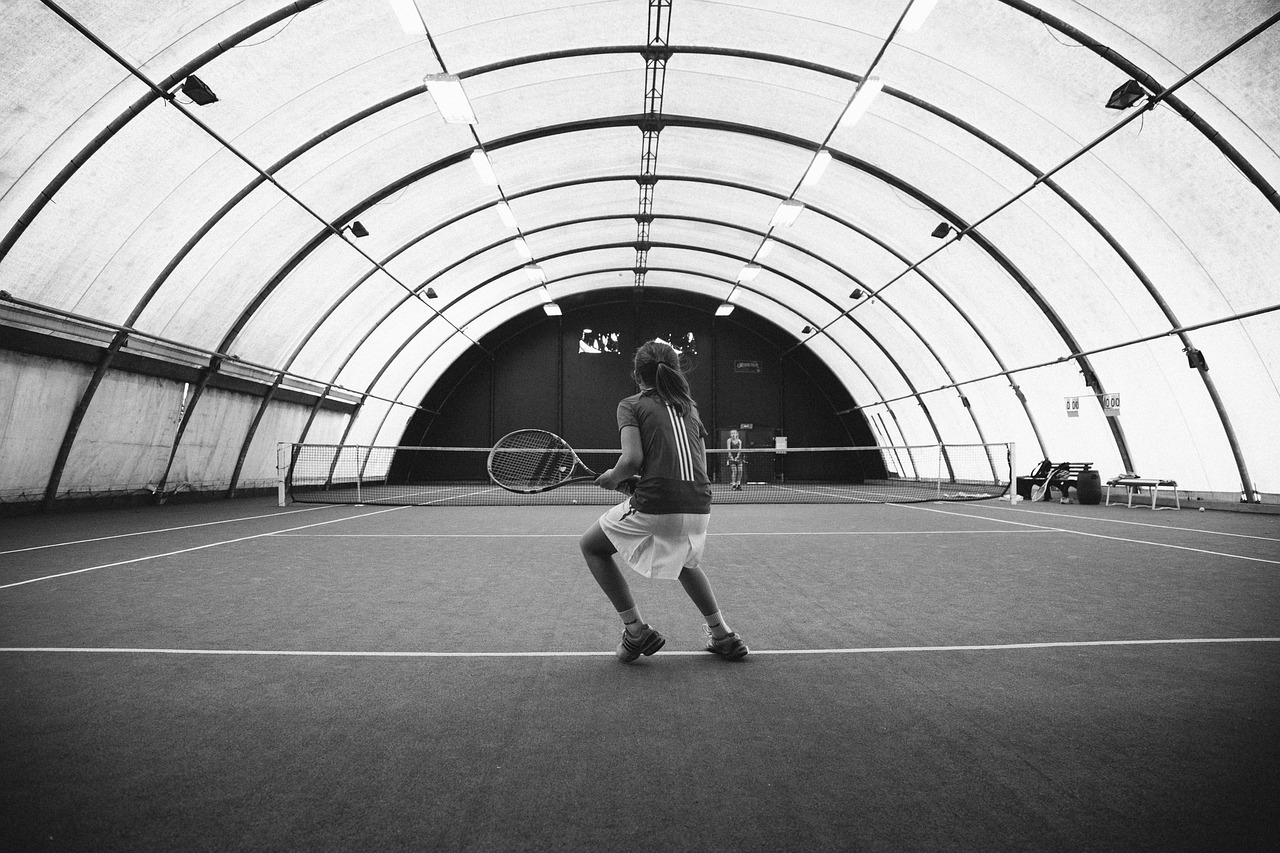
The Ready Position
- Stand inside the baseline for recreational serves
- Weight on the balls of your feet with a slight forward lean
- Split step as the server tosses the ball
- Racket held loosely in the throat, ready to go either side
Returning the First Serve
The goal is not to win the point. The goal is to return the ball in play and start a rally. Get it back, get it deep, start the point.
Returning the Second Serve
Step inside the baseline, take a slightly bigger swing, and attack with intention. Cross-court to their weaker side is usually the right target.
💡 Watch the toss
A toss to the left for a right-hander usually means slice. A toss behind means kick. A toss directly above means flat. Recognising the type gives you a split-second head start.
Common Return Mistakes
| Mistake | Fix |
|---|---|
| Return goes in the net | Stay sideways longer, swing level through contact |
| Return goes long | Shorten the swing — block fast serves |
| Cannot handle pace | Split step earlier — as the racket makes contact |
| Always returning same spot | Vary targets: wide, middle, at the body |
A strong return pairs with a reliable serve. Also make sure you are warming up properly — return sessions can be surprisingly arm-intensive. 🎾