The serve is the only shot in tennis you have complete control over. No opponent. No pressure from incoming pace. Just you, the ball, and the toss. Which makes it genuinely baffling how many recreational players never improve it. Here’s a 30-day plan to fix that — built from 25 years of trial, error, and one summer where I obsessively rebuilt my serve from scratch.
📊 The Serve by the Numbers
According to ATP statistics, first serve percentage is one of the strongest correlates with match wins at every level of tennis. For recreational players, a reliable serve transforms your game more than any other single improvement. Tour-level players average 60–70% first serves in. Most recreational players are below 40%. Closing that gap is the single highest-leverage improvement available.Week 1: Fix the Toss (Days 1–7)
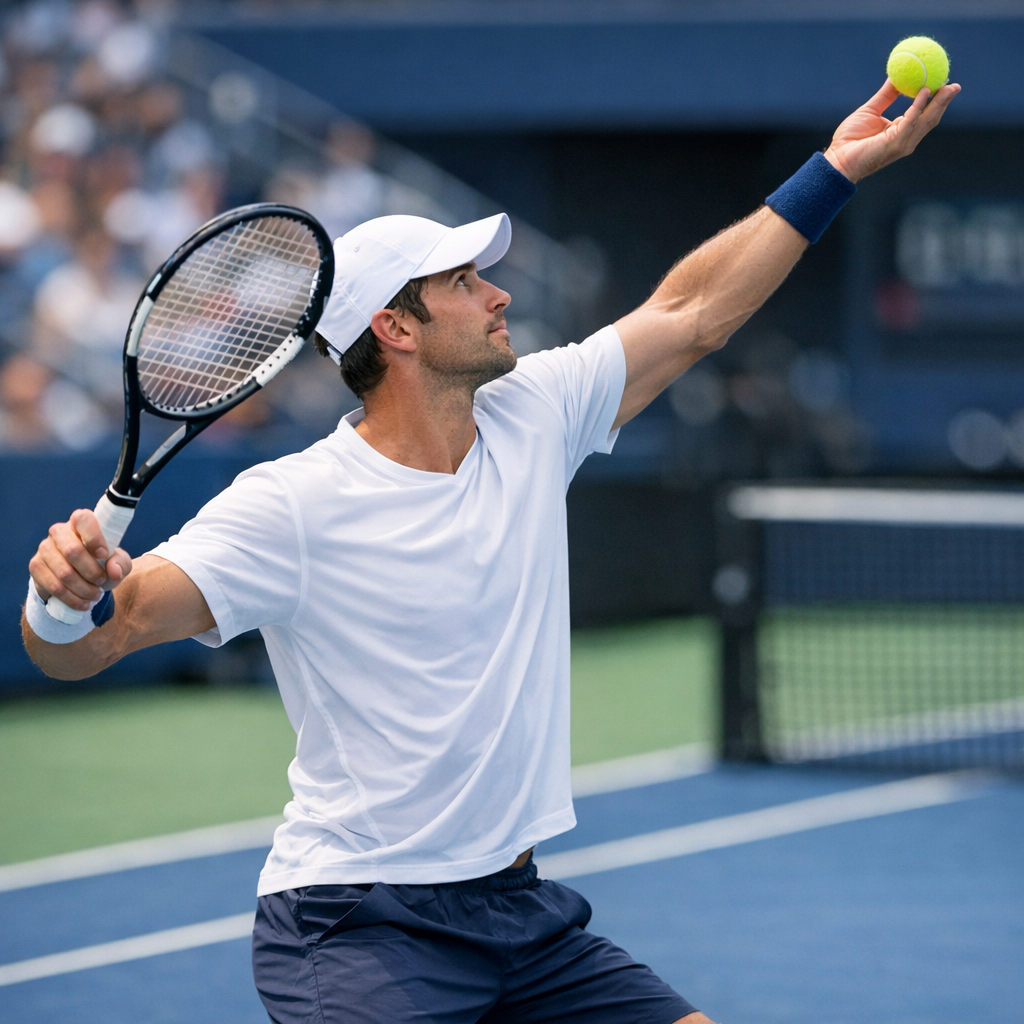
If you do nothing else from this guide, fix your toss. A consistent toss is the foundation of every other serve improvement. If your toss varies, nothing else matters — you’re rebuilding your swing from scratch every single serve.
The drill: Stand at the baseline without a racket. Toss the ball to your ideal contact point — slightly ahead of your front foot, at full arm extension height. Catch it without moving your feet. Repeat 50 times per day. If you’re catching in the same spot 45 out of 50 tries by day 7, you’re ready for week 2.
Week 2: Trophy Position (Days 8–14)
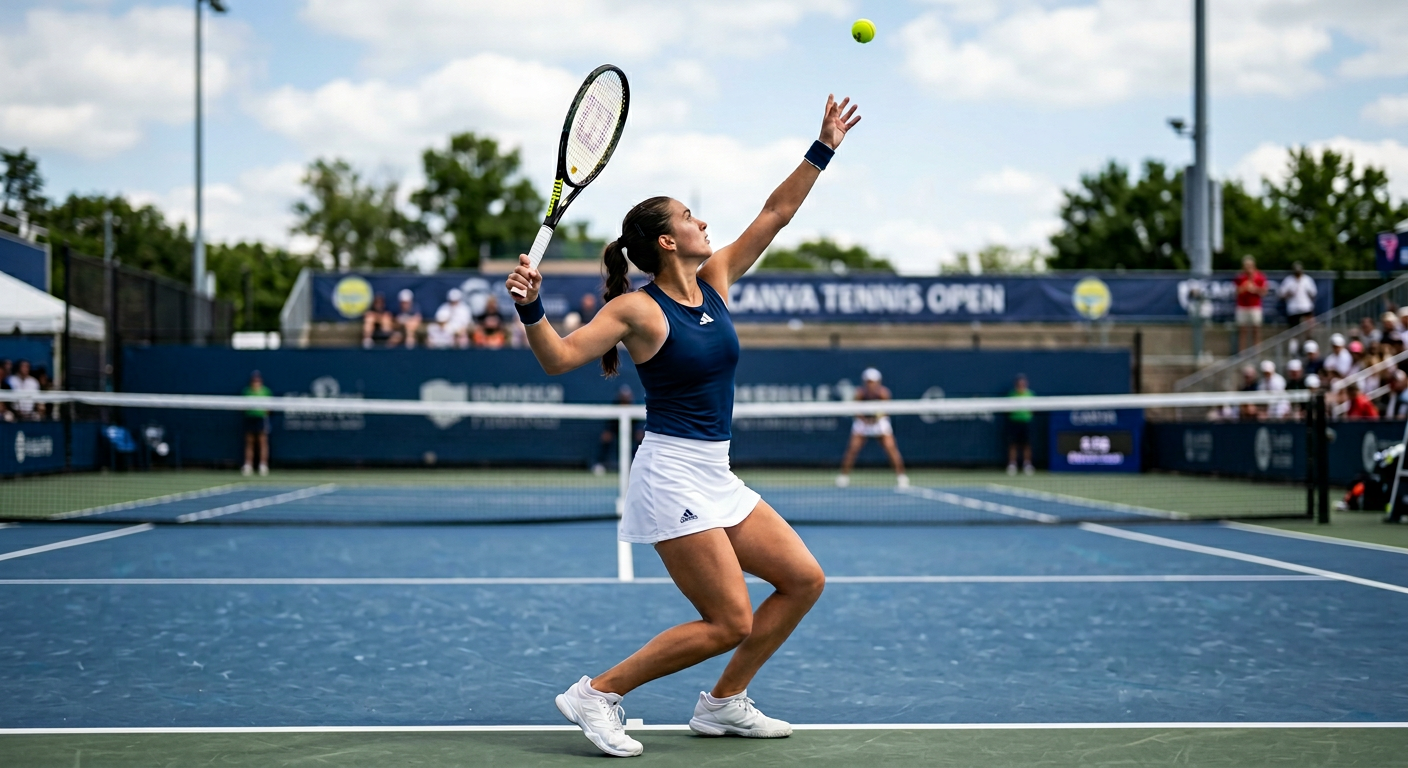
The trophy position is the moment your serve is “loaded” before the swing. Every powerful serve — from Djokovic to your local club champion — passes through this position. It’s the universal checkpoint of every effective tennis serve.
Key checkpoints:
- Back knee bent at roughly 90°
- Tossing arm fully extended upward
- Racket arm in an L-shape (racket pointing roughly upward)
- Weight loading onto back foot
- Eyes tracking the ball at toss apex
The drill: In front of a mirror, practice stopping at trophy position. Hold it for 3 seconds. Feel your weight, your arm position, your posture. 20 reps daily, slow motion. The mirror feedback is critical — what you think you look like and what you actually look like are usually very different.
Week 3: The Swing and Wrist Snap (Days 15–21)
Power in the serve comes almost entirely from wrist snap and shoulder rotation — not from arm strength. If you’re muscling the ball, you’re working too hard for too little result. Sports biomechanics research from sources including the ITF consistently shows that pronation (wrist snap) generates the majority of serve speed at all levels.
The drill: Swing your racket in slow motion through the contact point. Focus on the wrist pronating (rotating inward) at the moment of imaginary contact. You should hear a clear whoosh as the racket head accelerates. No whoosh = no snap = no pace.
Practice 30 of these slow-motion swings per session, focusing entirely on the pronation moment. Then take it to the court and serve at 70% pace, focusing on maintaining the same wrist motion under match-realistic conditions.
Week 4: Put It Together Under Pressure (Days 22–30)
Practice your complete serve motion, but introduce pressure: you must hit 3 consecutive serves into the service box before you take a water break. Simple, but remarkably effective at simulating match conditions.
Progressive pressure drills:
- Days 22–24: 3 consecutive in the box (any pace)
- Days 25–27: 3 consecutive in the deuce box specifically
- Days 28–30: 5 consecutive serves with at least 3 hitting your target half of the box
Common Serve Problems and Quick Fixes
| Problem | Likely Cause | Quick Fix |
|---|---|---|
| Serving into the net | Toss too far back, head dropping | Toss further forward, watch the ball at contact |
| Double faulting under pressure | Muscle memory breaks down with nerves | Slow your serve down 20%, focus on toss |
| No power | No wrist snap, arm too stiff | Practice the whoosh drill daily |
| Inconsistent direction | Toss varying left/right | Return to week 1 toss drills |
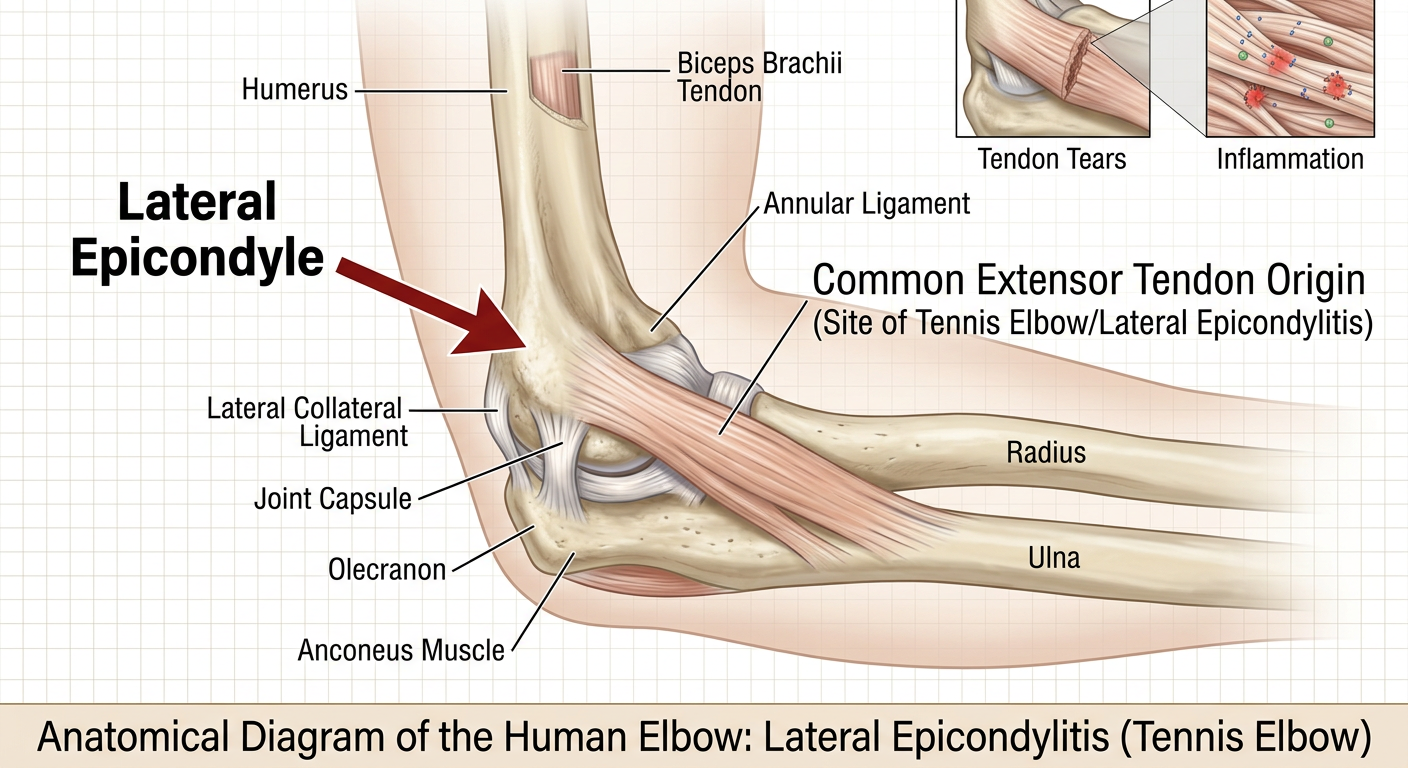
| Arm soreness after serving | Wrong racket/string setup | See our tennis elbow guide |
| Foot fault calls | Stepping on baseline before contact | Mark a line 6 inches behind baseline, start there |
Gear That Helps Your Serve
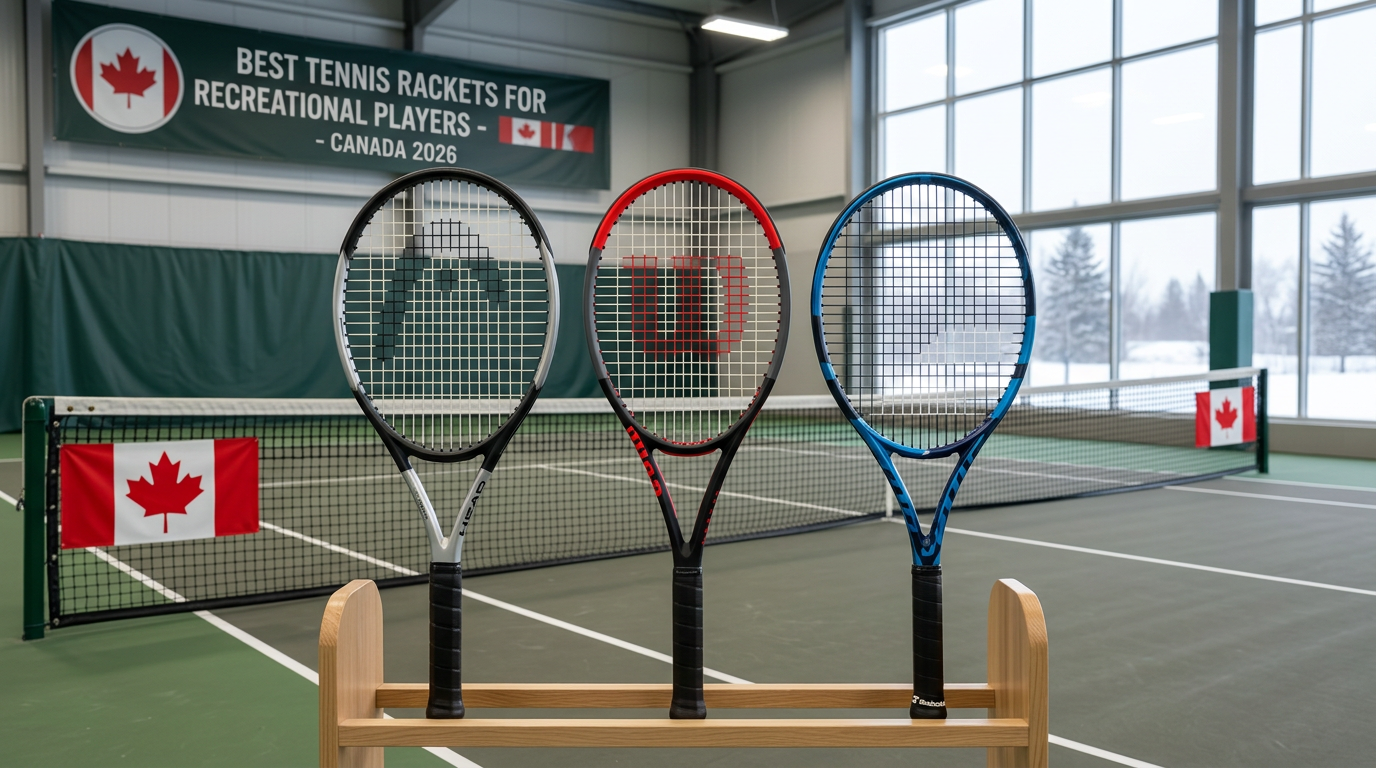
Arm soreness from serving often comes from equipment, not technique. A lighter racket and arm-friendly strings make a real difference. See our racket guide and string tension guide for setup recommendations.
Also critical: make sure you’re warming up your shoulder and wrist properly before every serving session. Cold tendons and aggressive serving are a guaranteed path to injury. See our complete warm-up routine.
Practice Tools Worth Buying
🎾 Tennis Ball Hopper (60–80 ball capacity)
Solo serve practice requires lots of balls. A ball hopper saves your back from picking them up one at a time. Look for 60–80 ball capacity with a stand-up handle that doubles as a pickup tool.
View on Amazon🎾 Just Shut Up and Serve
Done overthinking? Good. The “Just shut up and serve” T-shirt from LooseTennisBalls is the perfect post-30-day reward for the player who stopped analysing and started practising.
View on redbubbleRelated Reading
- Complete Pre-Match Warm-Up Routine
- How to Fix Your Tennis Backhand
- Best Tennis Rackets for Recreational Players (2026)
- Tennis String Tension Guide
Frequently Asked Questions
How can I improve my tennis serve quickly?
Fix your toss first. A consistent, properly placed toss is the single biggest fast improvement available. Spend 7 days doing 50 toss-and-catch reps daily. This alone will improve your serve more than any other single change. After the toss is consistent, work on trophy position and wrist snap.
Why am I double faulting so much?
Double faults under pressure typically come from inconsistent toss placement combined with muscle memory breaking down under nerves. The fix: slow your serve down by 20%, focus entirely on toss placement, and prioritise getting the ball in over hitting it hard. Pace returns once consistency is established.
Should I learn to serve with a continental grip?
Eventually yes — the continental grip (also called the chopper grip) is what every advanced player uses for serving. It allows for proper pronation and the ability to hit slice, kick, and flat serves. Beginners often start with an eastern forehand grip because it feels natural, but switching to continental as soon as possible accelerates long-term improvement.
How fast should a recreational player’s serve be?
Recreational players typically serve in the 60–95 mph (95–155 km/h) range for first serves. Speed matters less than consistency and placement at recreational level — a reliable 75 mph serve in the corner is far more effective than an inconsistent 100 mph serve that goes in 30% of the time.
Can I practise serving by myself?
Yes — and you should. Solo serve practice with a basket of balls is one of the most effective ways to improve. Find an empty court, bring 50–80 balls in a hopper, and work through the drills in this guide. Most clubs have available courts in early mornings or late evenings perfect for solo practice.
How long does it take to improve a tennis serve?
Following a structured 30-day plan with daily practice, most recreational players see significant improvement in consistency within 2–4 weeks. Major technique overhauls (changing grip, fundamental rebuilding) take 3–6 months for permanent muscle memory. Maintenance practice keeps gains long-term — 2–3 dedicated serve sessions per month is enough to maintain a developed serve.
Now Go Practise Your Trophy Position
Just watch the ceiling fan. 🎾