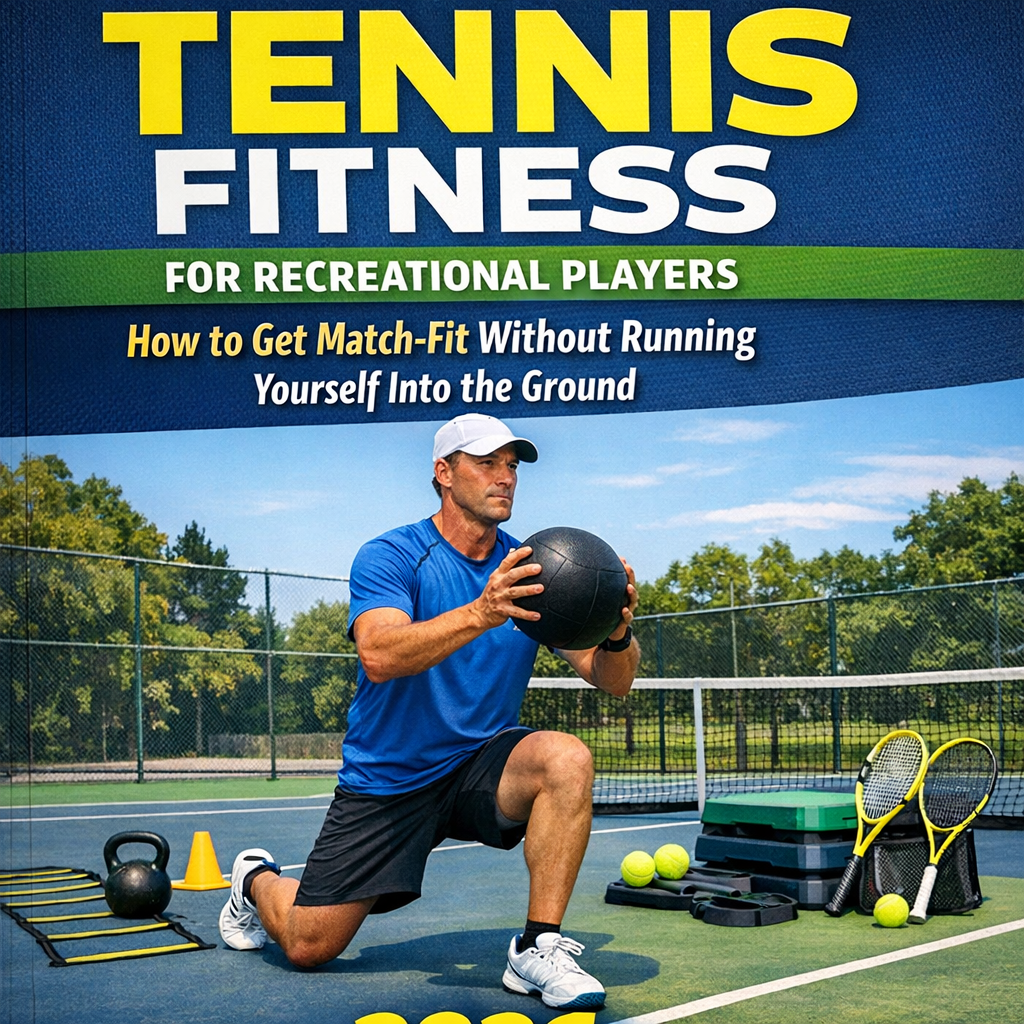
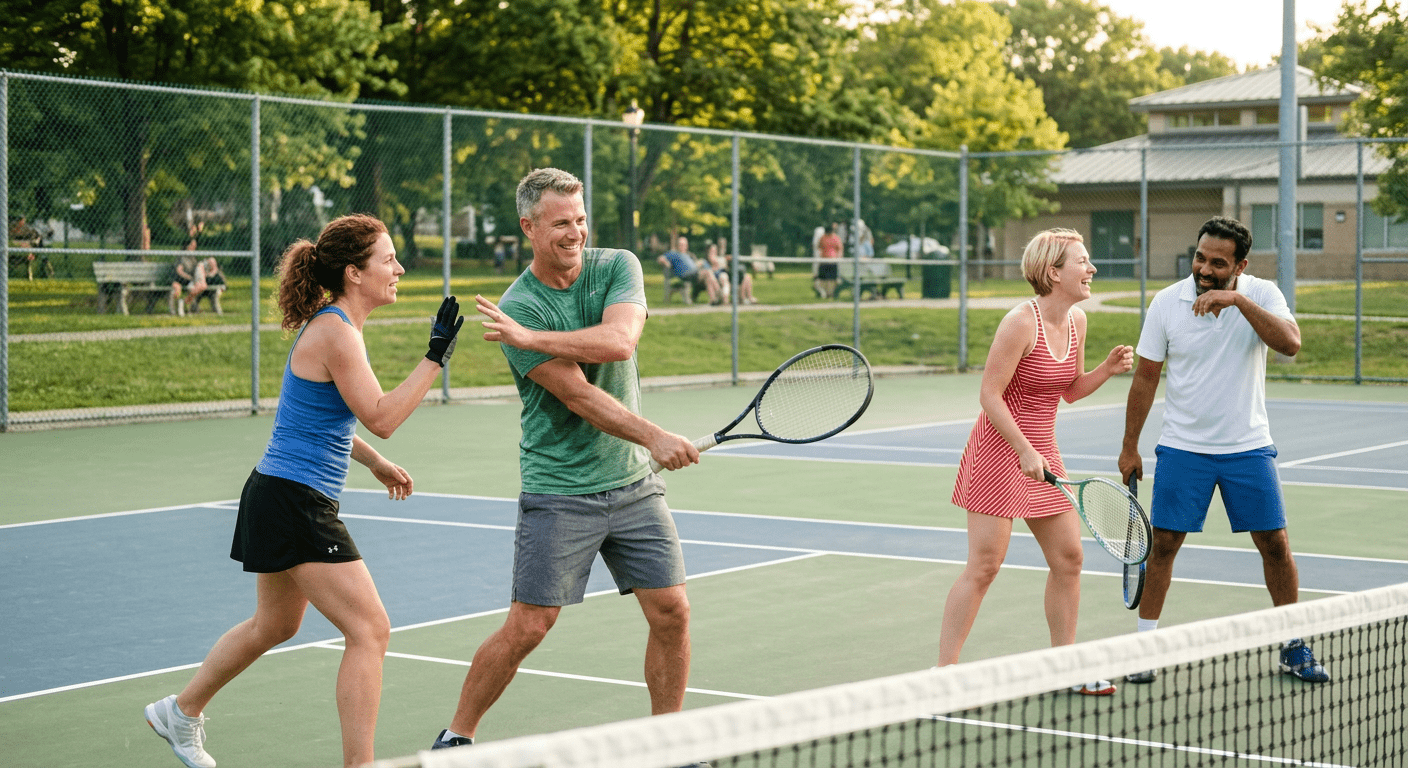
I’m biased. I’ve played tennis for 25 years and I think it’s the best sport in the world. But I also have significant evidence to back this up — and specifically for adults over 30, the case for tennis is stronger than for almost any other sport. Here’s the honest, science-backed argument.
The Longevity Study That Changed the Conversation
A landmark study published in the British Journal of Sports Medicine tracked 80,000 adults across 25 sports and found that tennis players had a 9.7-year longer life expectancy than sedentary people — the highest of any sport studied. For context: running added 3.2 years, cycling 3.7 years, swimming 3.4 years. Tennis was nearly three times more effective than running at extending life. The researchers attributed this to the combination of physical exertion, social interaction, and cognitive engagement that tennis provides uniquely.
Why Tennis Specifically Works for Adults Over 30
1. It’s Low-Impact Enough to Play for Decades
Unlike running (which drives significant repetitive knee and hip stress) or contact sports (obvious reasons), tennis with proper footwear and technique is sustainable into your 60s, 70s, and beyond. With proper court shoes, a structured warm-up, and arm-friendly equipment like our HEAD Radical MP, the injury profile is manageable for most adults.
2. It Provides Both Aerobic and Anaerobic Exercise
A typical recreational tennis session combines aerobic conditioning (sustained movement between points) with anaerobic bursts (explosive lateral movement, explosive serves, sprint to a drop shot). The Mayo Clinic identifies this combination as particularly beneficial for cardiovascular health and metabolic function in adults over 30.
3. It Exercises Your Brain as Hard as Your Body
Tennis requires constant real-time decision-making: shot selection, court positioning, reading your opponent, adapting strategy. Research from neurological studies on racket sports suggests that this cognitive load produces neuroplasticity benefits that gym exercise and running don’t replicate. You’re not just exercising your body — you’re exercising your decision-making systems under mild stress, which has lasting cognitive benefits.
4. It’s Fundamentally Social
You cannot play tennis alone (ball machines aside). Every session involves at least one other person — usually more for doubles. The BMJ longevity study specifically identifies the social dimension of tennis as a primary contributor to its health benefits. Social connection has measurable cardiovascular and mental health effects that solitary exercise doesn’t produce.
5. Skill Continues to Develop Well Into Middle Age
Unlike sports that depend heavily on explosive athleticism (you can’t meaningfully improve your 100m sprint time at 40), tennis rewards tactical intelligence and technique development that continue to grow throughout your life. Many recreational players genuinely play their best tennis in their 40s, having accumulated tactical experience that compensates for minor losses in raw speed.
The Practical Checklist for Starting or Returning Over 30
- Get proper court shoes — guide here
- Start with an arm-friendly racket — HEAD Boom MP is our pick for returning players
- Use the 15-minute warm-up routine before every session
- Read the tennis elbow prevention guide before you need it
- Play 1–2 times per week and build up gradually — your tendons adapt more slowly than your cardiovascular system
- Use fresh balls and a fresh overgrip from the start — don’t begin with dead equipment
🎾 Welcome to the Club
Just started or returned to tennis? The “You Had Me at Love-All” tee from LooseTennisBalls is the perfect welcome-to-the-game purchase for a player rediscovering a sport that gives more than it takes.
Related Reading
- Tennis for Adults: Complete Beginner Guide 2026
- Tennis Warm-Up Routine
- Tennis Elbow Prevention Guide
- How to Find a Tennis Partner
Frequently Asked Questions
Is tennis good exercise for adults over 40?
Excellent exercise — combining aerobic, anaerobic, and cognitive demands that most single-activity sports don’t provide. The BMJ longevity study found tennis produced the largest life expectancy benefit of any sport studied, attributable to the combination of physical exertion, social interaction, and tactical decision-making. With proper equipment and warm-up protocol, it’s sustainable well past 60.
Can you start playing tennis at 35, 40 or 50?
Absolutely — and many players do. Adults regularly start tennis at 40, 50, even 60+ and develop into competent recreational players within 1–2 years. The sport rewards accumulated tactical intelligence, so starting later doesn’t mean being permanently behind younger players. Start with 3 lessons, proper equipment, and realistic expectations. See our adult beginner guide.
Is tennis hard on knees and joints for older players?
It can be if played without proper precautions — primarily correct footwear and adequate warm-up. With court-specific shoes, a pre-match warm-up routine, and an arm-friendly lighter racket, most adults play recreational tennis without joint issues well into their 60s. Players with existing knee problems should consult a physiotherapist about exercise-specific adaptations.
The Bottom Line
The evidence for tennis as the optimal sport for adult health is as strong as it’s ever been. The social dimension, the cognitive demand, the full-body workout, and the sustainable long-term nature of the sport combine to produce health outcomes that no other single sport matches. If you’re over 30 and looking for a sport: this is it. 🎾