
This post contains affiliate links. As an Amazon Associate I earn from qualifying purchases, at no extra cost to you.
When the first frost arrives, a lot of club players hang up their rackets until spring. You don’t have to. Indoor tennis is widely available across Canada, and for most recreational players it’s the easiest way to keep your timing, fitness and tennis habits alive through the winter.
Here’s how indoor tennis works, how to find a court, and how to get the most out of it without overspending.
Why Play Indoors in Winter?
- Consistency. No wind, rain, ice or numb fingers means you can actually practise what you’re working on.
- Fitness carry-over. Three months off means rebuilding from scratch in spring. Regular indoor sessions keep your footwork and conditioning ticking over.
- A built-in social life. Winter leagues, round robins and drop-in sessions are easy ways to meet new hitting partners.
Types of Indoor Facilities
Air-Supported Domes (“Bubbles”)
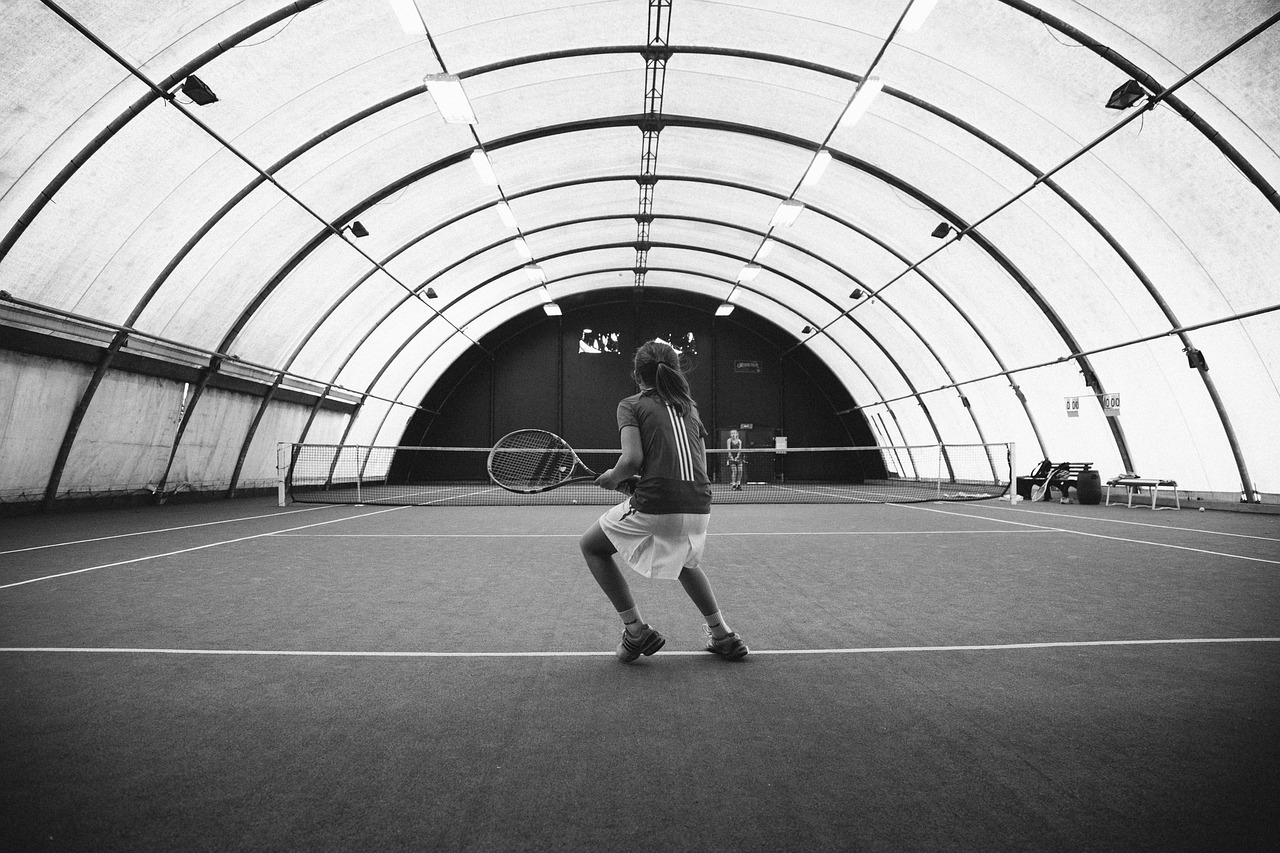
Many Canadian clubs put an inflatable dome over their outdoor courts from the fall through to spring. They’re common, they keep the club’s usual surface, and they’re usually warmer than outdoors but cooler than a permanent building. Dress in layers.
Permanent Indoor Clubs
Dedicated tennis centres have heated buildings, consistent lighting and often several surface types. They’re usually the most comfortable option, and often the busiest at prime times.
Municipal and University Facilities
City recreation centres and universities sometimes run indoor courts open to the public, often with pay-per-hour booking or community programs. Check your local recreation guide for winter schedules.
How to Find an Indoor Court Near You
- Search your city name plus “indoor tennis” and check club websites for winter court rates and programs.
- Check your provincial tennis association and Tennis Canada’s site for club directories and leagues.
- Ask at your summer club, because many run a winter dome or partner with a nearby facility.
- Look at local community groups for players sharing courts. Our guide on how to find a tennis partner in Canada has more ideas.
How Indoor Tennis Feels Different
- No wind. Your ball toss and groundstrokes become far more predictable, so use the time to work on technique.
- Different surfaces. Hard courts, acrylic and carpet all play differently from your summer court, so give yourself a few sessions to adjust.
- Lighting and ceilings. Depending on the building, lobs and high serves may feel different. Test them in the warm-up.
How to Keep the Cost Down
- Split court time with a regular partner or two. Doubles halves the cost per person.
- Book off-peak slots when you can, because evenings and weekends are usually the most expensive.
- Ask about drop-in sessions, short-term winter memberships or league packages instead of paying for individual hours.
- Join a round robin, because it’s often the cheapest way to get a lot of match play.
What to Bring
You don’t need much beyond your usual kit. A fresh can of balls is worth it for indoor sessions, because new balls make a noticeable difference on a faster surface. See our guide to the best tennis balls in 2026, or browse tennis balls on Amazon.
Make sure your shoes are clean and suited to hard courts, since some indoor facilities are strict about court shoes. Our hard court shoe guide covers what to look for, or you can compare hard court tennis shoes. A decent bag keeps everything organised, and tennis backpacks are a good starting point.
Warm Up Properly
Even in a heated building, cold muscles need time. Run through our tennis warm-up routine before you hit.
Final Thoughts
Playing indoors is the simplest way to avoid the spring reset. Find a court, book a regular slot with a partner and treat winter as the season you improve rather than the one you lose.
Photos via Pixabay: Firmbee, hansmarkutt, StockSnap.