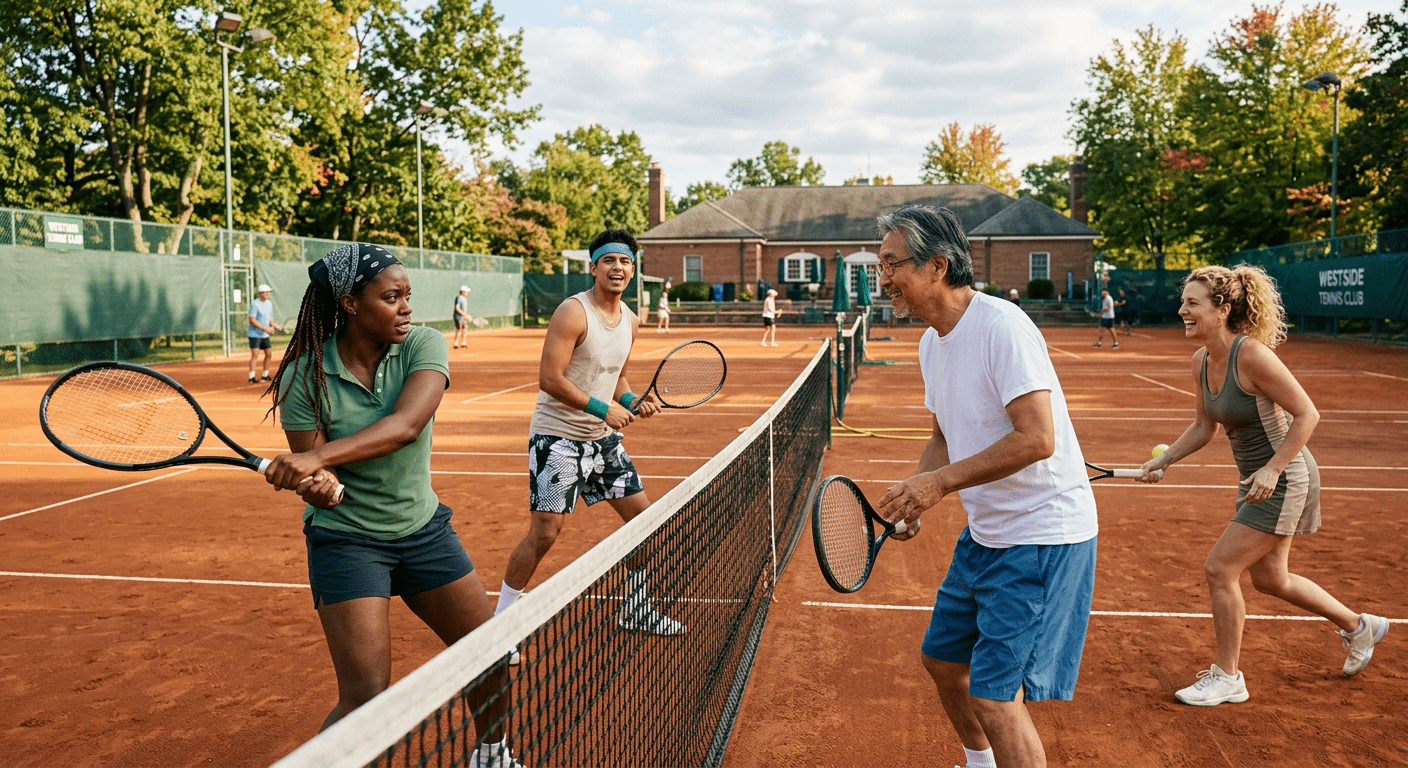
Starting tennis as an adult is one of the best decisions you can make. I know because I’ve been playing since middle school and it’s still giving me joy 25 years later. The question most adults ask isn’t “should I start?” but “how do I start without feeling completely lost?” This guide answers that for 2026.
📊 Tennis by the Numbers (Canada 2026)
According to Tennis Canada, tennis participation has grown by over 40% in Canada since 2020. The pandemic pushed people outdoors and onto courts — and most of them stayed. You’re in good company, and the infrastructure to support adult beginners is better than it has ever been.
Why Tennis is Particularly Good for Adults
Research from sources including the Mayo Clinic on sport and longevity consistently shows tennis among the highest-ranked sports for long-term health. The combination of aerobic exercise, lateral movement, hand-eye coordination, and strategy makes it uniquely complete as a sport. A landmark study published in the British Journal of Sports Medicine found tennis players had measurably longer life expectancy than people who exercised the same amount in other sports.
Step 1: Get the Right Equipment (Without Overspending)
You don’t need the best gear to start. Here’s what you actually need:
| Item | Budget Pick | Our Recommendation | Why |
|---|---|---|---|
| Racket | HEAD Ti.S6 | HEAD Ti.S6 | Forgiving, lightweight, perfect for beginners |
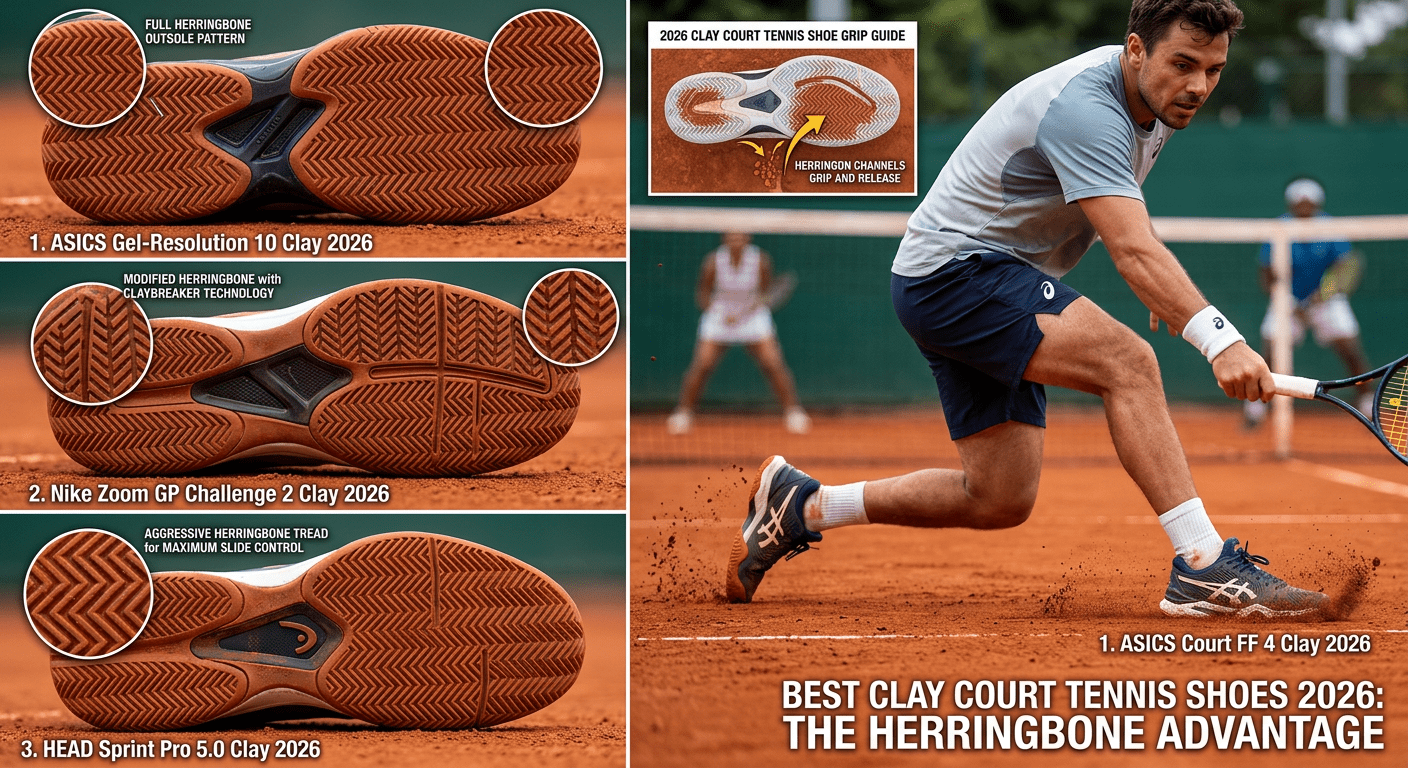
| Shoes | K-Swiss Hypercourt | ASICS Gel-Resolution | Court-specific shoes protect your joints |
| Balls | Penn Championship | Wilson US Open | Extra duty for hard courts |
| Bag | Any sports bag | HEAD Sling Bag | One racket is fine to start |
Full guides: Best rackets for recreational players | Best hard court tennis shoes | Best tennis balls 2026
Step 2: Take at Least 3 Lessons
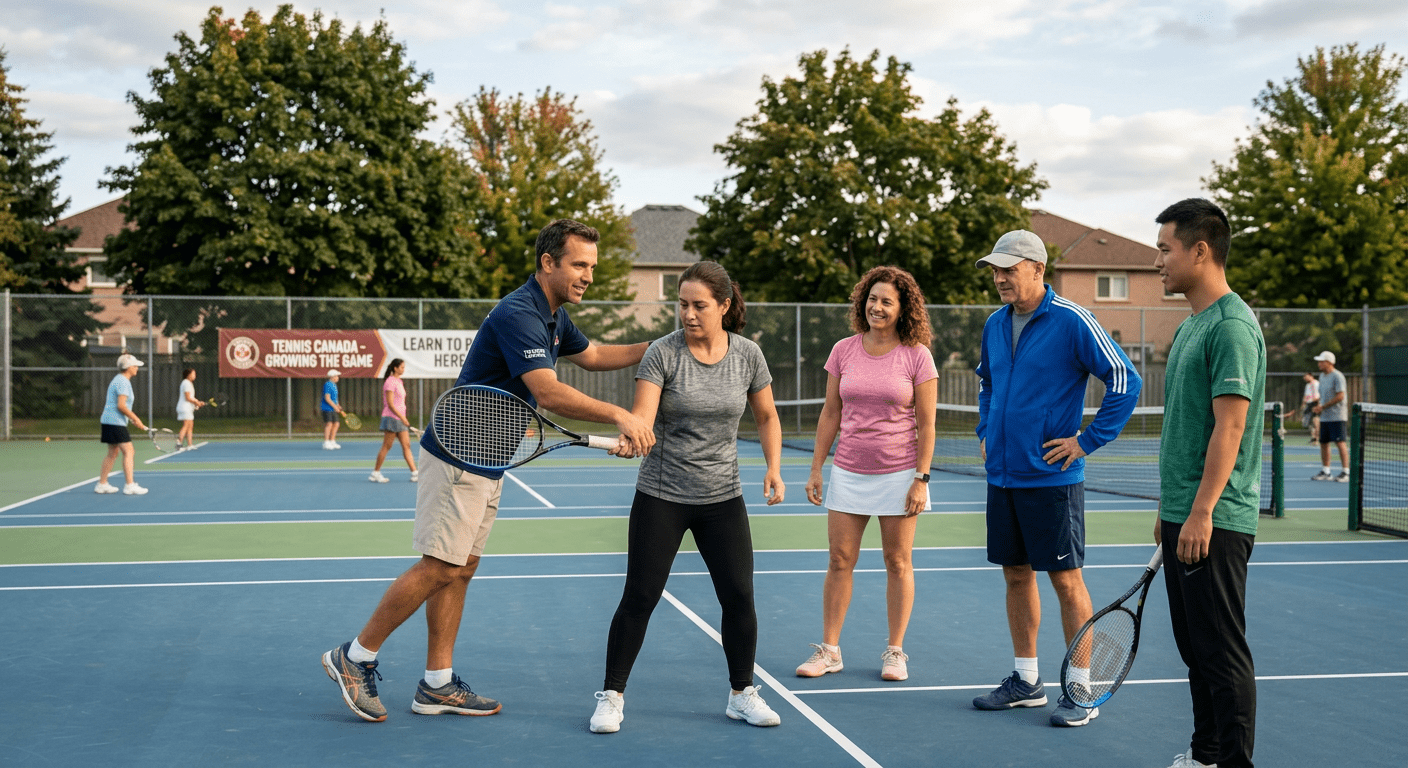
I know, I know — you want to just get on the court and hit. But 3 lessons with a coach sets you up correctly so you’re not spending years unlearning bad habits. Focus areas for beginners:
- Forehand grip and swing basics
- Backhand basics (two-handed is easier to start)
- Basic serve motion
- Court positioning and scoring
Tennis Canada’s coach finder helps you locate certified coaches near you. Costs roughly $60–$100 CAD per private lesson — worth every cent for the foundation it builds. Group lessons cost less ($25–$45 per session) and have the bonus of meeting other beginner players who become future hitting partners.
Step 3: Find Courts and People to Play With
Finding courts in Canada: Tennis Canada’s court finder is the quickest way. Most public parks have courts that are free to use — first-come first-served. Many have online booking systems now (Toronto, Vancouver, Calgary all have city-wide booking apps).
Finding partners: See our full guide — How to find a tennis partner you’ll actually want to play with.
Step 4: Learn the Basics of Match Play
Tennis scoring feels complicated until it doesn’t. Quick cheat sheet:
| Points in a game | 0, 15, 30, 40, Game |
| Games in a set | First to 6 (must win by 2, or tiebreak at 6-6) |
| Sets in a match | Recreational: usually best of 3 |
| Deuce | 40-40, must win 2 consecutive points to win game |
| Tiebreak | First to 7 points (must win by 2) |
Step 5: Protect Your Body From the Start
Adult beginners are more prone to injury than lifelong players simply because their bodies aren’t conditioned to the movements. The most important habits to build immediately:
- Always warm up — see our 15-minute warm-up routine
- Use proper court shoes — not running shoes
- Start with lighter, more flexible rackets
- Don’t play through arm pain — understand tennis elbow prevention before it becomes a problem
Realistic Expectations for Year One
Setting realistic expectations is critical. Here’s what year one actually looks like for most adult beginners:
- Months 1–3: Learning grip, basic swings, getting balls over the net consistently. You will miss a lot. This is normal.
- Months 4–6: Sustained rallies (5–10 balls), basic serve in the box, beginning to understand court positioning
- Months 7–9: Playing actual games, understanding scoring naturally, basic match strategy
- Months 10–12: Playing full sets, consistent serve, beginning to develop a personal playing style
Some players progress faster, some slower. Both are fine. The goal in year one isn’t competence — it’s enjoyment and not getting injured.
The Best Part
Tennis is a game you can play for life. I started in middle school and I still look forward to every session 25 years later. You’ll plateau, you’ll have frustrating weeks, you’ll miss shots you made perfectly last Tuesday — and you’ll keep coming back anyway. That’s what this sport does to you. Welcome to the club.
🎾 Embrace the Beginner Identity
You just learned what “love” means in tennis scoring. Wear that knowledge with pride. The “Love means nothing to a tennis player” hoodie from LooseTennisBalls is the perfect statement piece for the new player who’s just starting to get tennis humour.
Related Reading
- How to Find a Tennis Partner
- Best Tennis Rackets for Recreational Players (2026)
- Complete Pre-Match Warm-Up Routine
- Tennis Elbow Prevention and Treatment
Frequently Asked Questions
Is it too late to start tennis as an adult?
Absolutely not. Adults regularly start tennis at 30, 40, 50, even 60+ and develop into competent recreational players. The fundamentals can be learned at any age, and tennis is one of the best sports for adult fitness due to its combination of cardio, lateral movement, and skill development. Your body adapts. Your skill grows. Your enjoyment is unlimited.
How long does it take to learn tennis as an adult?
Most adult beginners with regular practice (1–2 sessions per week) can play basic recreational tennis within 3–6 months. Becoming a competent club-level player typically takes 1–2 years of consistent play. Reaching intermediate competitive level requires 3–5 years. The learning curve is gradual but rewarding throughout.
Do I need lessons to learn tennis?
Strongly recommended yes. Even 3–5 lessons with a qualified coach provides the technical foundation that prevents bad habits from becoming permanent. Self-taught tennis players frequently spend years unlearning problems that 30 minutes of coaching would have prevented. Group beginner programs are affordable ($25–$45 per session) and have the bonus of meeting other learners.
How much does it cost to start playing tennis in Canada?
Realistic startup cost in Canada in 2026: $300–$500 CAD covers a quality beginner racket ($100), proper court shoes ($120), tennis balls ($30), basic bag ($40), and 3 lessons ($180). Ongoing costs: court fees (often free at public courts), lesson costs if continuing, and gear replacement every 2–4 years.
What’s the easiest tennis racket for beginners?
The HEAD Ti.S6 is the consistently recommended beginner racket. At 236g with a 115 sq in head size, it’s lightweight and forgiving — the largest sweet spot in recreational tennis means you make contact even on imperfect swings. Available throughout Canada in the $80–$130 range.
How often should adult beginners play tennis?
1–2 times per week is the sweet spot for adult beginners. Frequent enough to build skill memory, infrequent enough that your body recovers between sessions. Playing more than 3 times per week as a complete beginner significantly increases injury risk. Build up gradually as your body adapts.
The Bottom Line
Once you’re ready to gear up properly, check out the LooseTennisBalls merch shop and wear your recreational player status with pride from day one. Tennis is the sport that gets better the more you play it. Start now. 🎾