This post contains affiliate links. As an Amazon Associate I earn from qualifying purchases, at no extra cost to you.
Most players spend a lot of money on shoes and almost nothing on socks, then wonder why they get blisters. Tennis is hard on feet, with constant stopping, pivoting and sliding, and your socks are the layer that takes the friction.
Here’s what to look for in a tennis sock and how to avoid the most common foot problems.
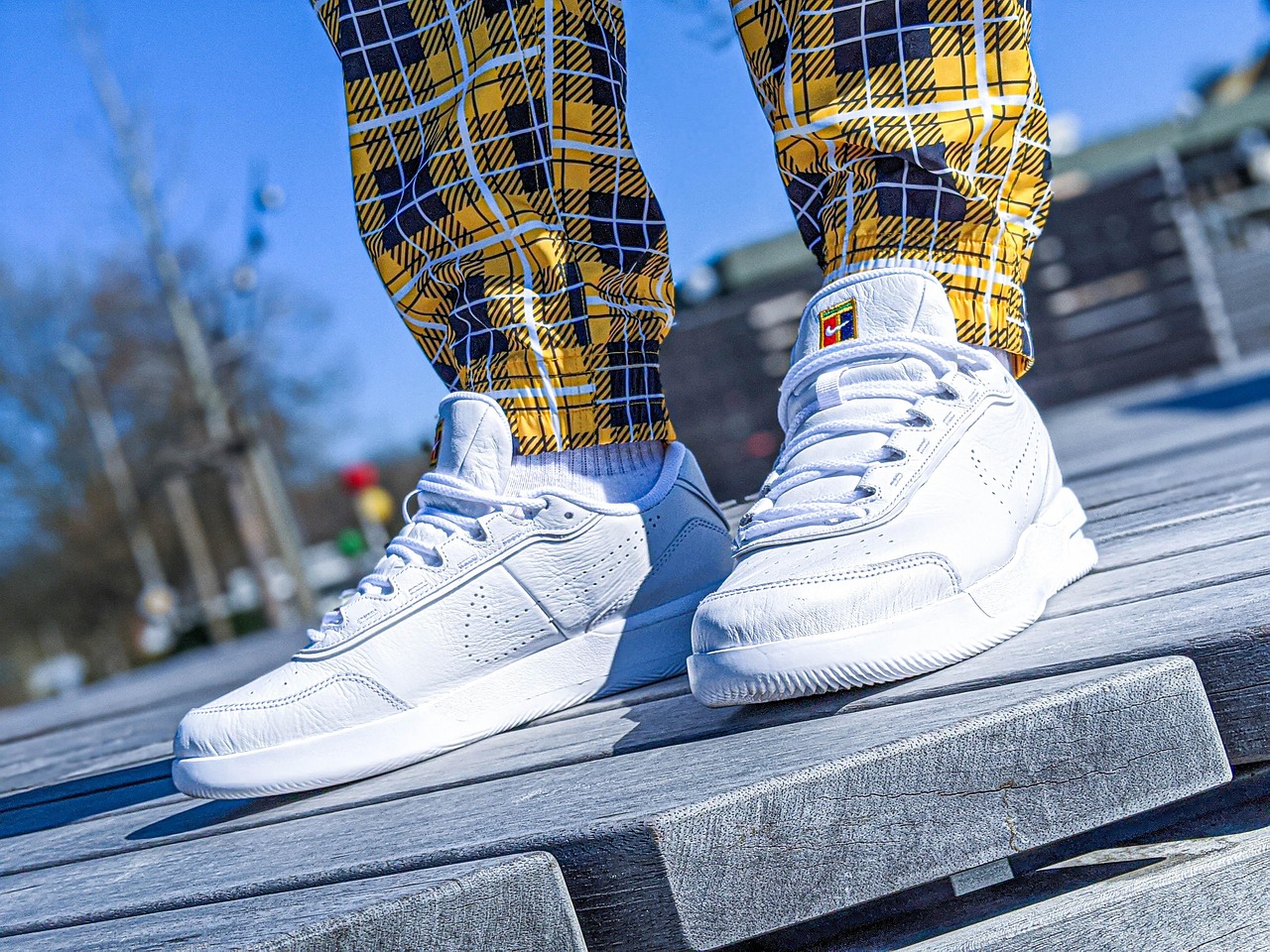
What Makes a Good Tennis Sock?
- Not cotton. Cotton holds sweat and stays wet, which is a recipe for blisters. Choose synthetic blends or merino wool, which move moisture away from your skin.
- Targeted cushioning. Extra padding under the ball of the foot and heel absorbs impact on hard courts.
- A snug fit. Socks that bunch or slip create friction. Look for arch support and a heel pocket that stays in place.
- Seamless or flat toe seams. Raised seams rub against your toes during quick stops.
Types of Tennis Socks
Cushioned Crew Socks
The classic. They cover your ankle and give you padding where you need it. A good default for hard court players.
Compare cushioned tennis crew socks on Amazon
Anti-Blister Double-Layer Socks
These use two thin layers that rub against each other instead of your skin. Brands such as Wrightsock make them, and many players who get frequent blisters swear by them. They’re worth trying if standard socks aren’t enough.
See anti-blister double-layer socks on Amazon
Low-Cut and No-Show Socks
Lighter and cooler, which many players prefer in summer. Make sure the heel tab stays up so your socks don’t slide down inside your shoes.
Browse low-cut cushioned athletic socks on Amazon
Merino Wool Blend Socks
Good for cooler weather and for players whose feet get cold. Merino regulates temperature and handles moisture well without holding odour.
Shop merino wool athletic socks on Amazon
How to Prevent Blisters
- Break new shoes in before a long match.
- Make sure your shoes fit properly. Our hard court shoe guide explains what to look for.
- Keep your feet dry. Carry a spare pair of socks in your bag and change at the first sign of dampness.
- Tape or pad hot spots early, before they turn into blisters.
Quick Care Tips
Wash performance socks in cold or warm water and air dry when possible. Hot dryers wear out elastic and cushioning faster. Replace socks once the padding feels flat or thin, since compressed cushioning no longer protects you.
Final Thoughts
If you’re getting blisters or sore feet, fix your socks before you replace your shoes. A few pairs of well-fitting synthetic or merino socks cost far less than new shoes and often solve the problem completely.