This post contains affiliate links. As an Amazon Associate I earn from qualifying purchases, at no extra cost to you.
Most recreational players pack it in when the first cold snap arrives, and then wonder why they feel rusty in spring. The truth is that cold-weather tennis is very playable if you dress for it and adjust your expectations. A few smart layers and a longer warm-up are the difference between a miserable hour and a great one.
Here’s the gear that makes the biggest difference, plus a few tips on how the game itself changes when it’s cold.

How Cold Weather Changes Your Tennis
- The ball plays slower. Cold air makes balls bounce lower and feel heavier, so expect less pace and be ready to hit through the ball.
- Your body needs longer to warm up. Cold muscles are more injury-prone, so give yourself extra time. Our tennis warm-up routine is a good place to start, and it’s worth reading our tennis elbow prevention guide if your arm tends to complain.
- Dry, cold days beat damp ones. If the courts are wet or icy, don’t risk it. See how to play tennis in the rain (and when to just go home).
The Layering System That Works
The principle is simple: a thin layer against your skin to manage sweat, a warmer layer over it, and the ability to peel off as you heat up. Avoid heavy cotton, which holds sweat and leaves you cold once you stop moving.
1. Base Layer: Under Armour ColdGear
A fitted, moisture-wicking base layer is the single best upgrade for cold-weather play. It sits against your skin, moves with you and keeps you from getting clammy between points. Look for a snug fit that won’t restrict your serve motion.
Check the current price of the Under Armour ColdGear base layer on Amazon
2. Mid Layer: A Lightweight Quarter-Zip
A quarter-zip or lightweight fleece in a stretchy fabric lets you regulate temperature. Start the warm-up with it on, then take it off once you’re moving. Choose something that doesn’t bunch up around the shoulders, because a restricted swing costs you more than a few degrees of warmth.
See the Nike Therma-FIT quarter-zip on Amazon
3. Thermal Socks: Heat Holders
Cold feet make everything worse, and tennis shoes aren’t known for their insulation. A thicker thermal sock helps a lot, as long as your shoes still fit comfortably. If you have to loosen your laces to fit them in, that’s a sign to size up your sock thickness, not squeeze.
Browse Heat Holders thermal socks on Amazon

4. Hand Warmers: HotHands
Tennis involves a lot of standing around between points, and numb fingers wreck your feel at the net. Disposable air-activated hand warmers are cheap, fit in a pocket or bag, and take the edge off during changeovers. Keep a couple in your bag all winter.
Get HotHands hand warmers on Amazon
5. Headband or Ear Warmer
You lose a lot of comfort through your ears, and a regular beanie is too hot once you’re moving. A thin fleece headband or ear warmer is the sweet spot because it keeps your ears warm without cooking your head.
Shop fleece headbands and ear warmers on Amazon
6. Tights or Leggings Under Shorts
Many club players wear thin athletic tights under their shorts on cold days. You keep your range of motion and your usual court look while staying warm through the quads and calves.
Compare athletic tights on Amazon
Bring Fresh Balls: HEAD Tour XT
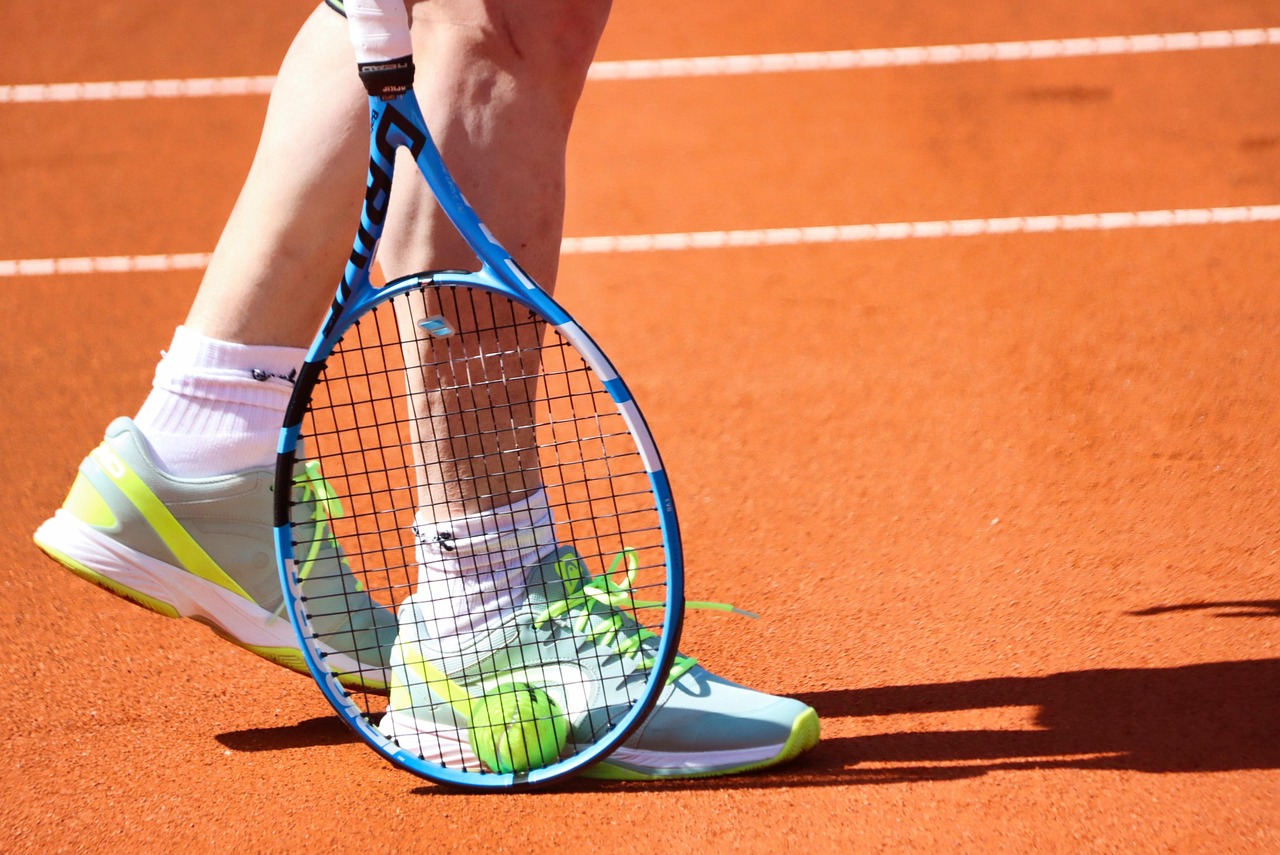
Cold air already takes some life out of the ball, so a tired can makes it worse. Opening a fresh can for winter sessions keeps the bounce as lively as the conditions allow, and it’s an easy upgrade that doesn’t cost much. HEAD Tour XT is a solid club-level choice. For more options, see our guide to the best tennis balls in 2026.
Check the current price of HEAD Tour XT tennis balls on Amazon
Don’t Forget Sun and Hydration
Cold, clear days can still be bright, and you’ll still sweat more than you think. Keep your water bottle in the bag and check out our guide to the best tennis sunscreen for low winter sun on the court.
Quick Tips for Winter Tennis
- Arrive early and warm up longer than you would in summer.
- Use fresh balls when you can, since old balls feel especially dead in the cold (see our tennis ball picks).
- Keep a dry spare layer in your bag for after the match.
- Put your warm layer back on during changeovers so you don’t cool down.
- Cut a session short if your hands go numb or the court gets slick.
Final Thoughts
Good gear won’t make winter tennis warm, but it will make it comfortable, and that’s enough to keep you playing instead of waiting for spring. Start with a base layer, good socks and a pack of hand warmers. Then add pieces as you work out what you need.
Looking for more gear ideas? Our recreational tennis gift guide has options at every budget.
Photos via Pixabay: This_is_Engineering, DoniShala, planet_fox.